
Sing, O Sad Heart graphic

Sing, O Sad Heart: Hamish Mann – Poet, Playwright, Philosopher

Opening 5th September

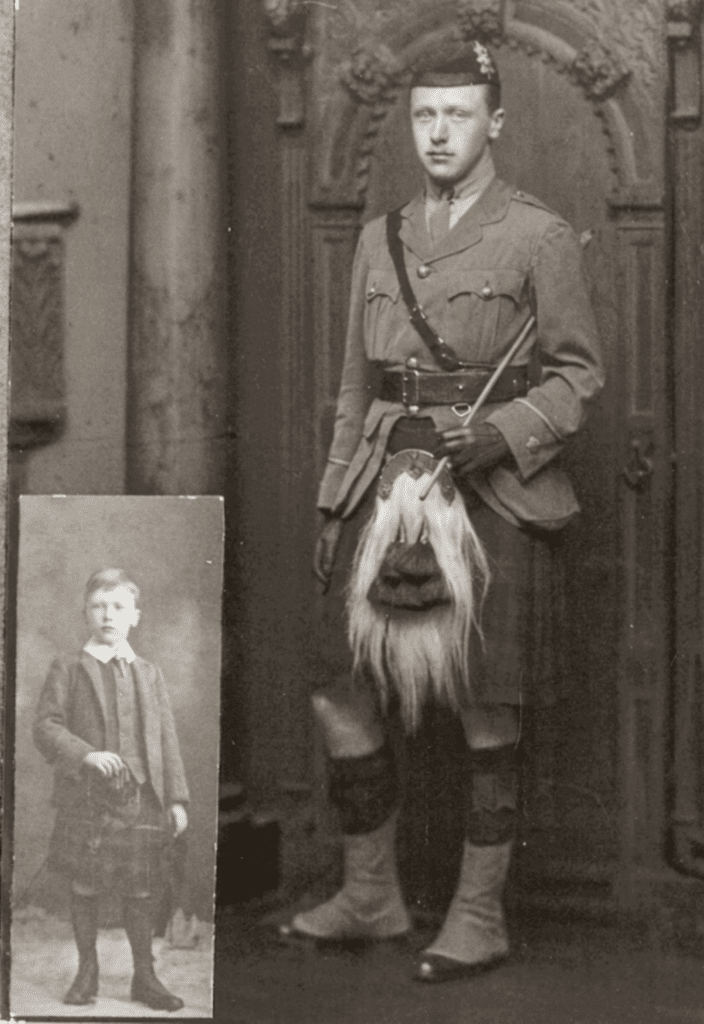
Poet, playwright, performer and soldier, Alexander James “Hamish” Mann was a talented and prolific writer whose creative ambitions were taking shape when war broke out in 1914.

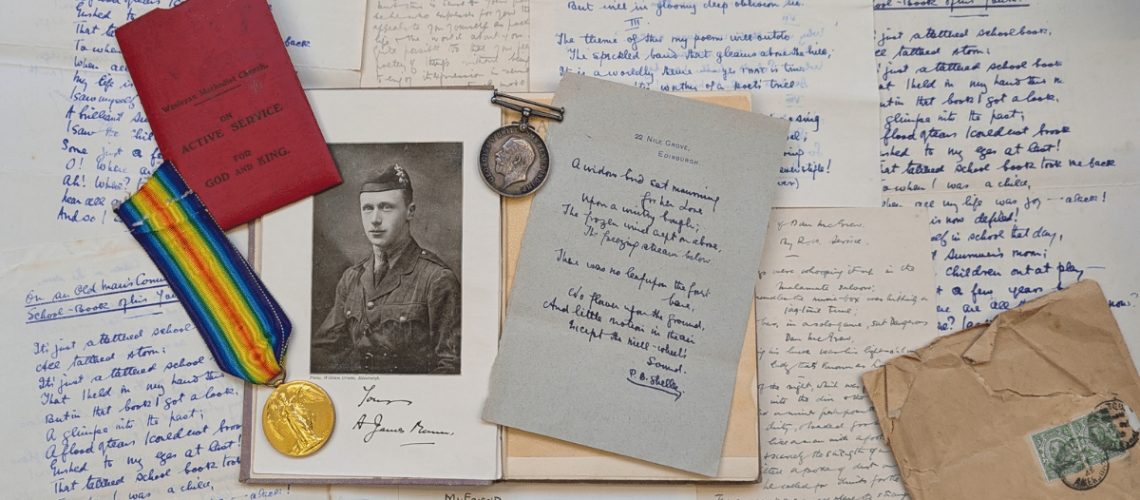
Sing, O Sad Heart explores the life and remarkable creative output of Hamish Mann, drawing on the extensive archive held by the museum. The exhibition looks at his poetry, plays, stories, letters and notebooks, alongside the experiences that shaped his writing during the First World War.

Born in Broughty Ferry in 1896, Hamish showed an early talent for writing. During a period of private tutoring, he devoted himself to poetry, producing 73 poems in a single year, 29 of which were published in newspapers and periodicals. His interests extended well beyond poetry, with writing, performance and the arts all playing an important part in his life.

Unable to pass the medical examination for enlistment, Hamish volunteered at Craigleith Military Hospital in Edinburgh, where he became involved in the hospital magazine, The Craigleith Chronicle. As reports of the realities of war emerged, his desire to serve intensified, and in 1915 he secured a commission in 11th Battalion, The Black Watch.

Officers of the 8th Battalion The Black Watch, Summer 1916. Hamish is second from the right top corner.

After arriving in France in 1916, aged just 20, Hamish continued to record his experiences through his diaries, letters and poetry. His writings provide an insight into life at the front and reveal his thoughts on war, friendship, fear and mortality.

The museum is privileged to be the custodian of Hamish Mann’s extensive archive, and Sing, O Sad Heart provides an opportunity to explore some of this remarkable collection.

Alongside Hamish’s story, the exhibition also explores the wider relationship between The Black Watch, writing and the First World War, including the work of Dundee illustrator and poet Joseph Lee and poetry written by soldiers serving with the regiment.

Together, these collections offer an insight into the creative lives and wartime experiences of members of The Black Watch, and the different ways in which poetry and writing were used to record, reflect on and remember the First World War.

Entry to the exhibition is included in your museum admission ticket.

Share this post

Leave a comment

Related Posts

This website uses cookies to help ensure you get the best experience.

The Black Watch Logo

This website uses cookies to help ensure you get the best experience.